As Passover approaches, the theme of freedom fills our homes and hearts. It’s woven through our prayers, our rituals, and our conversations around the Seder table. But freedom means different things at different moments in our lives.
Many Kinds of Freedom
At Passover, we commemorate the Exodus from Egypt–the dramatic liberation of the Israelites from slavery under Pharaoh. Yet the holiday offers us something far more personal than a history lesson. It invites us to examine the many forms of freedom we seek in our own lives: Physical, emotional, and spiritual.
History has shown us that it’s possible to be spiritually free while physically confined. What proves far more challenging is achieving inner freedom while we’re psychologically trapped– enslaved by anxiety, trauma, unhealthy patterns, or the weight of our past. More than our external circumstances, it’s often our inner narratives that bind us most tightly.
At Jewish Family & Children’s Service (JFCS), we witness this truth daily. The mother fleeing domestic violence through Project SARAH (Stop Abusive Relationships At Home) is seeking physical safety–but also the psychological freedom to rebuild her sense of self-worth. The individual working with our Faye Manger Counseling Department to address depression or anxiety is on their own journey from darkness toward light. The family struggling with food insecurity through our Betsy & Peter Fischer Food Pantry is moving from crisis toward stability and dignity.
Each represents a different kind of Exodus, a different path to freedom.
The Chametz Within
Before Passover, we search for chametz (leaven) and remove it from our homes. Traditionally, chametz symbolizes ego and the ways we allow ourselves to “puff up” with self-importance. But it can represent other forms of inner bondage too: Resentment that prevents us from moving forward, fear that keeps us from taking necessary risks, or patterns of behavior that no longer serve us.
Passover reminds us that liberation requires inner work. It’s not enough to scrub our kitchens while neglecting our hearts. As we clear crumbs from every corner of the house, we’re invited to examine what needs clearing from within.
Our clients at JFCS understand this deeply. The individual working through addiction in our prevention programs knows that freedom requires confronting difficult truths. The Holocaust Survivor receiving support through our advocacy services carries both the trauma of the past and the courage to continue building a meaningful life. The older adult combating isolation through our older adult services is choosing connection over withdrawal.
Freedom is not magical or instantaneous. It requires effort, awareness, and community support.
Matzah and Memory
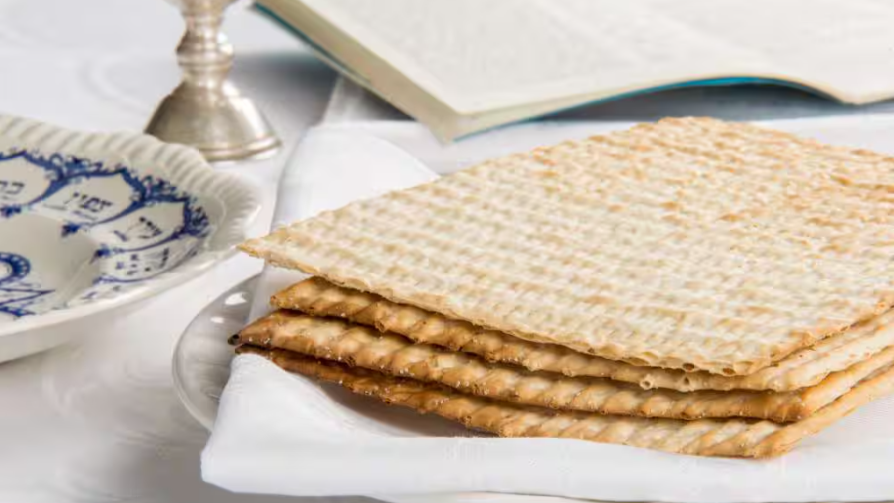
During Passover, we eat matzah–the bread of affliction and humility. It doesn’t rise or puff itself up. It reminds us that freedom requires modesty, gratitude, and recognition that what we have is ultimately a gift.
When we read the Haggadah and retell the Exodus story, we’re instructed to see ourselves as if we personally left Egypt. The narrative isn’t ancient history; it’s a lived experience. Our personal “Egypt” might be anxiety, self-doubt, trauma, or strained relationships. The journey out is rarely linear or complete, but each year offers us another opportunity to move one step closer.
Freedom in Our Own Time
For American Jews, Passover has long been accompanied by gratitude for the religious freedom that allows us to gather openly around our Seder tables. Yet recent years have brought new anxieties. The rise in antisemitism has stirred fear–for some, a new feeling; for others, an echo of painful chapters in Jewish history.
The message of Passover is not naïve optimism—it’s resilience and hope. We are blessed here in Southern New Jersey with a remarkable network of organizations working together to strengthen and protect Jewish life, including Jewish Federation of Southern New Jersey, Jewish Community Relations Council, Katz JCC, and our many synagogues and community partners.
For more than 80 years, JFCS has worked to embody Passover’s message of liberation in tangible ways. Through our disability services programs, individuals build independence and meaningful engagement. Through our comprehensive services for older adults, we combat isolation and foster purpose and connection. Through family assistance and counseling, we help people move from crisis toward stability and hope.
In their own way, each of these programs reflects the deeper meaning of Passover: Liberation from whatever diminishes the human spirit.
The Ongoing Journey
Passover reminds us that freedom is not a single dramatic moment but an ongoing journey. We leave Egypt, but we must continue walking. We remove chametz, but it returns each year. We retell the story, but we must live it anew.
When we dip the karpas (bitter herbs) into salt water, we remember both tears and renewal. Liberation is demanding, courageous work–and it’s work we don’t do alone. True freedom is sustained through community, through supporting one another, and through organizations that help people move from bondage toward dignity.
As we gather around our Seder tables this year, may we reflect honestly on what holds us back and what calls us forward. May we draw strength from our history and from one another. And may we continue the sacred work of building a community where dignity, safety, and connection are not luxuries but guarantees for all.
Next year in Jerusalem!
